In che modo il PEF può contribuire a un sistema alimentare più sostenibile

Le industrie alimentari sono costantemente sotto pressione per sviluppare tecnologie di lavorazione più efficienti. Il cambiamento climatico e la crescita della popolazione sono fattori motivanti per ridurre al minimo lo spreco di cibo, sviluppi sostenibili nella conservazione, sicurezza dei nutrienti e sicurezza alimentare per la futura produzione alimentare sostenibile. Una di queste tecnologie è il PEF, il campo elettrico pulsato.

Il problema con il nostro attuale sistema di produzione alimentare

I metodi per produrre cibo sono notevolmente migliorati nel corso degli anni. Siamo più efficienti che mai. Tuttavia, per passare a un sistema più sostenibile è necessario un maggiore sviluppo.


Quindi qual'è il problema?

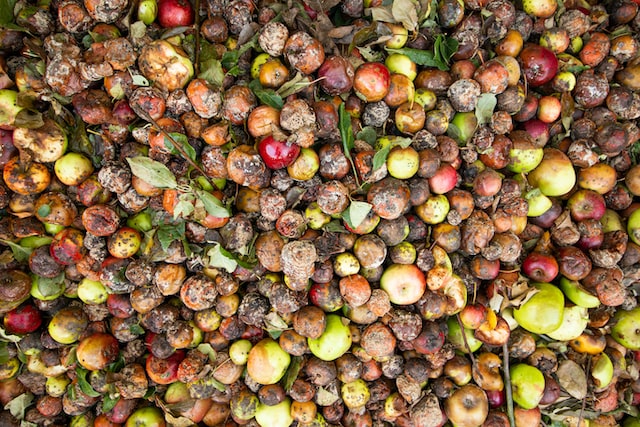
45% ~ of all the world’s fruits and vegetables grown are thrown away annually. About a third of the food produced in the world for human consumption each year – about 1.3 billion tonnes – becomes waste.


Nearly 30% of the world’s agricultural land – 1.4 billion hectares (!) Is used to grow products that are never consumed.


Tuttavia, nel mondo ci sono persone che non hanno cibo a sufficienza. Se si salvasse solo 1/4 del cibo buttato via a livello globale, basterebbe per 870 milioni di persone


If that’s not argument enough, food losses and food waste are estimated at approximately € 680 billion in industrialized countries and € 310 billion in developing countries.

Further reading:

Waste from food makes up around 8% of the global greenhouse gases to which humans have contributed.


The food sector accounts for around 30% of the world’s total energy consumption.

Food Waste
Spreco alimentare - Il 45% ~ di tutta la frutta e la verdura coltivate nel mondo viene buttata via ogni anno.

Come costruire un sistema alimentare sostenibile?

I sistemi alimentari sostenibili si riferiscono alle pratiche e alle politiche che mirano a produrre e distribuire cibo in modo socialmente, economicamente e ambientalmente sostenibile.

The topic is complex, and many different strategies and approaches are being developed and implemented to achieve a more sustainable food system.

Although Tecnologia PEF, can contribute to enhancing the extraction of byproducts e upcycling, one technology alone, like PEF, can not solve all problems, but can contribute significantly and make a real difference. Let’s have a closer look at how pulsed electric field treatment can contribute to a more sustainable food production system.

PEF - Contribuire alla dematerializzazione, più da meno più da meno

La storia ci ha mostrato che è lo sviluppo tecnologico la strada da percorrere. Tecnologia e primaria il tipo che contribuisce alla dematerializzazione – la capacità di estrarre di più da meno/stessa quantità di materia prima. Processi di estrazione più efficienti significano anche meno inquinamento ed emissioni.


La dematerializzazione è definita come:


La dematerializzazione è definita come la riduzione delle quantità di materiali necessari per svolgere una funzione economica, o il declino nel tempo della massa di materiali utilizzati nei prodotti finali industriali (Wernick et al., 1996 as cited in Kibert et al., 2002).


Tecnologia PEF fulfills significant needs for sustainable food processing as it requires fewer resources to produce quantities of existing foods.


Per saperne di più: PEF per l'industria alimentare ->

I benefici sostenibili (ed economici) del PEF

ESTRAZIONE MATERIA PRIMA

Tecnologia PEF indirectly contributes to improved raw material extraction. The benefits can be seen in the manufacturing process, where more can be extracted from the same / less amount of raw material – dematerialization.

PRODUZIONE

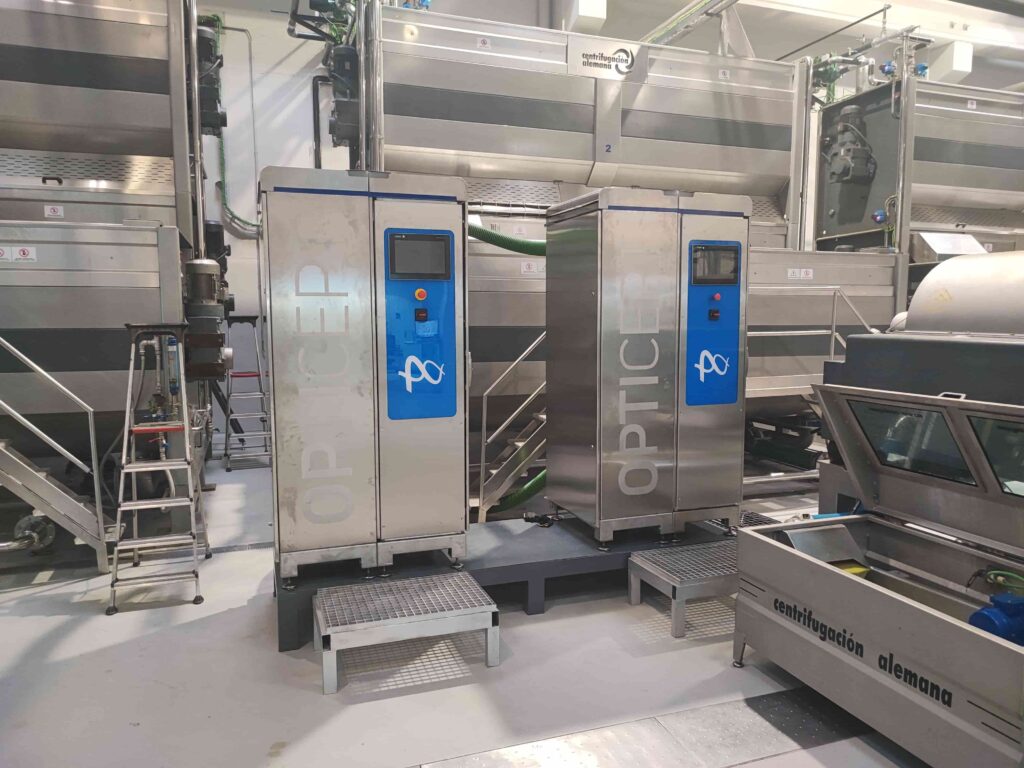
OptiCept’s PEF Technology (Called CEPT) direct and primary impact occurs during the manufacturing process. By applying our technology, the process is streamlined, and a shorter processing time means less energy consumption. We also enable increased extraction from the same / less raw material.

TRASPORTI

By extending the shelf life, fewer frequent transports are required. It is then also possible to choose means of transport with less environmental impact.

UTILIZZO

The gentle treatment with pulsed electric fields (PEF) means that more vitamins, antioxidants, and other important nutrients are retained. In the end, a much healthier product and also improved taste, color, and aroma.

RICICLAGGIO/GESTIONE DEI RIFIUTI

By optimizing OptiCept’s PEF technology, we naturally reduce waste and wastage. Extended shelf-life is, of course, also a contributing factor.


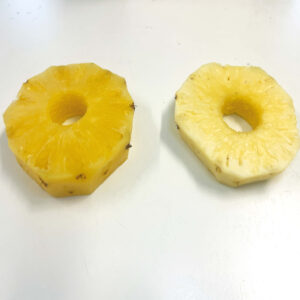
It can also be applied to increase the extraction and value of byproducts. As an example, OptiCept has increased the extraction of liquid from pineapple stems to extract more Bromelain.


Additionally, learn how byproducts are turned into value as nutrients are extracted from avocado seeds using PEF.

PEF - Pulsed Electric Field Application
PEF System

In che modo la tecnologia PEF può contribuire a un sistema alimentare più sostenibile

PEF (pulsed electric field) treatment has the potential to contribute to a more sustainable food system in several ways.


Firstly, PEF is a non-thermal preservation technique that can extend the shelf life of food products, reducing food waste and loss. By keeping food fresh for longer, PEF can help reduce the need for energy-intensive refrigeration and transportation.


In secondo luogo, il PEF può essere utilizzato come alternativa alla tradizionale pastorizzazione termica o ai trattamenti chimici, che possono ridurre l'impronta di carbonio della produzione alimentare. Il trattamento PEF genera meno calore rispetto ai tradizionali metodi di pastorizzazione, quindi è meno energivoro e si traduce in minori emissioni.


Thirdly, PEF can inactivate microorganisms, enzymes, and viruses, so it could help to reduce the use of chemical preservatives and antibiotics in food production, which is beneficial for the environment and public health.

Lastly, PEF treatment can also be used to extract functional ingredients from food such as proteins, antioxidants, and fibers, so it can also contribute to a more sustainable food system by creating new value-added products and by-products from food waste.


Vale la pena notare che l'impatto della PEF sulla sostenibilità può dipendere dall'applicazione specifica e dal modo in cui viene implementata.

Sei curioso di scoprire cosa il PEF potrebbe fare per il tuo negoziato?

Compila il modulo sottostante e ti ricontatteremo il prima possibile!

Ulteriori approfondimenti